Online Somatic Therapy in California and New York
Getting out of the mind and into the body.
Breathwork, guided meditation, somatic release, grounding, and somatic attunement integrated with evidence-based talk methods. Available to clients in California and New York.

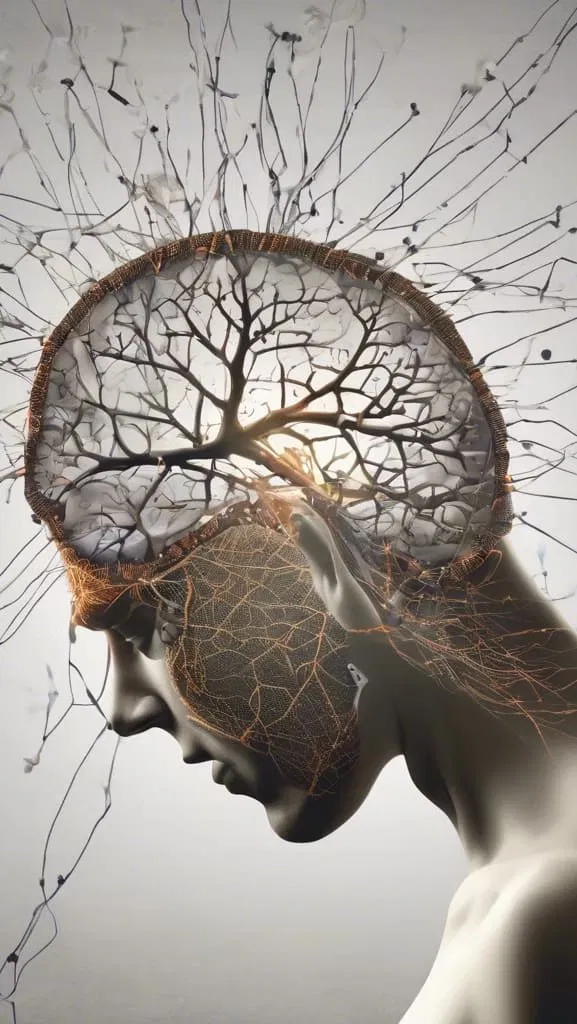
How somatic therapy works
01Trauma and chronic stress are not only mental experiences. They live in the body and the nervous system. For many clients, the cognitive understanding of what happened arrives long before the body's pattern shifts. Somatic therapy works with the body directly, alongside talk therapy, to help the nervous system find a different baseline.
02In practice, this means we may pause to attend to what the body is doing in the moment. We may use breathwork to regulate. We may use grounding when activation rises. We may use guided meditation to deepen presence. The work is collaborative and paced to what the nervous system can hold.
Neuroplasticity and breaking the cycle
01Neuroplasticity refers to the brain's capacity to change in response to new experiences. Trauma, chronic stress, and long-standing patterns of anxiety or depression are held in place by neural pathways that were laid down through repetition. Insight alone rarely rewires those pathways. New experiences, repeated over time, are what the brain uses as the raw material for genuine change.
02A neuroplasticity-informed somatic approach works to create those new experiences directly in the body, in the nervous system, and in the therapeutic relationship. Each time the nervous system moves through activation and back into regulation with support, a different pattern is reinforced. Over time, the cycle that has felt automatic begins to loosen, and a different baseline becomes available.
03This is the underlying mechanism behind breaking the cycle. It is not willpower or insight. It is the slow, repeated work of giving the brain and body something new to learn.
Clinical map
What somatic therapy is useful for
Common presentations
Persistent anxiety
Low mood that feels chronic
Nervous-system dysregulation after trauma
Complex trauma held since childhood
Compulsive behaviors used to manage sensation
Signs the body is holding something
Chronic muscle tension
Sleep disruption
Startle response or hypervigilance
Difficulty being still
Numbness or disconnection
Six benefits of a somatic approach
The toolkit
01Breathwork
02Guided meditation
03Somatic attunement
04Somatic release
05Grounding techniques
06Talk-based methods including CBT, ACT, and motivational interviewing
Questions before you begin
Yes, somatic therapy can be effectively delivered online for many clients. The methods that work best in telehealth include breathwork, guided imagery, somatic awareness exercises, grounding practices, and tracking nervous system states (activation, freeze, settling). The goal of this work is to equip you with tools you can use to self-regulate outside of therapy. Homework exercises are part of the process, which you can conduct at your own pace at home. These assignments and your experience with them are then processed in sessions, and we work to integrate these body-mind tools into your daily practice.